Venezuela's Diaspora “Goes Home” One Concert at a Time
As returning to the patria feels possible again, the shows of Danny Ocean and Rawayana help Venezuelans abroad reimagine the future
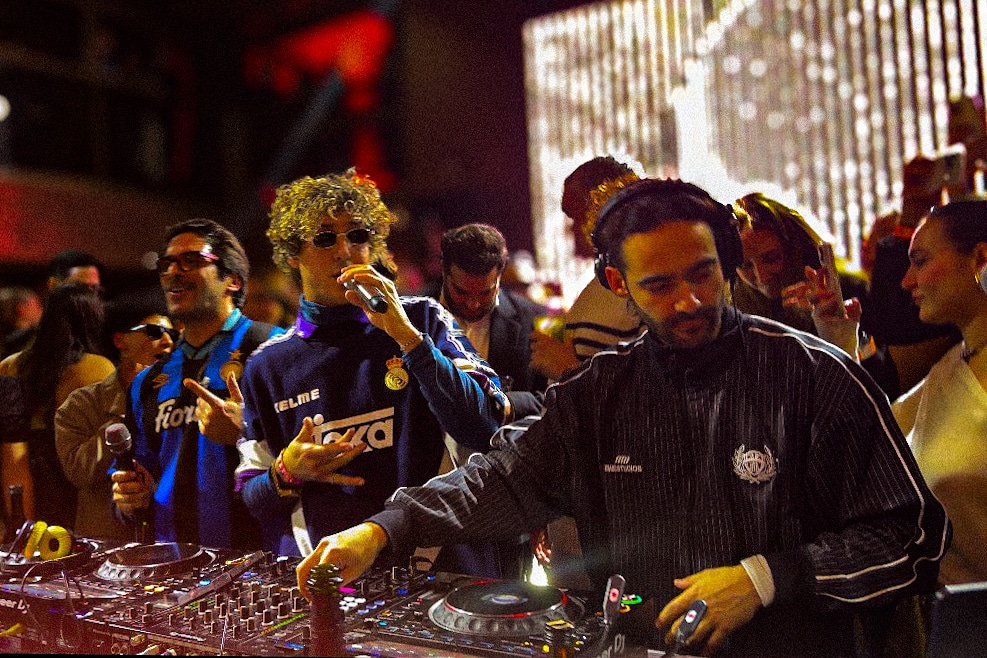

As returning to the patria feels possible again, the shows of Danny Ocean and Rawayana help Venezuelans abroad reimagine the future
Following the world’s biggest sporting event comes down to affording it, and whether power outages allow us to watch

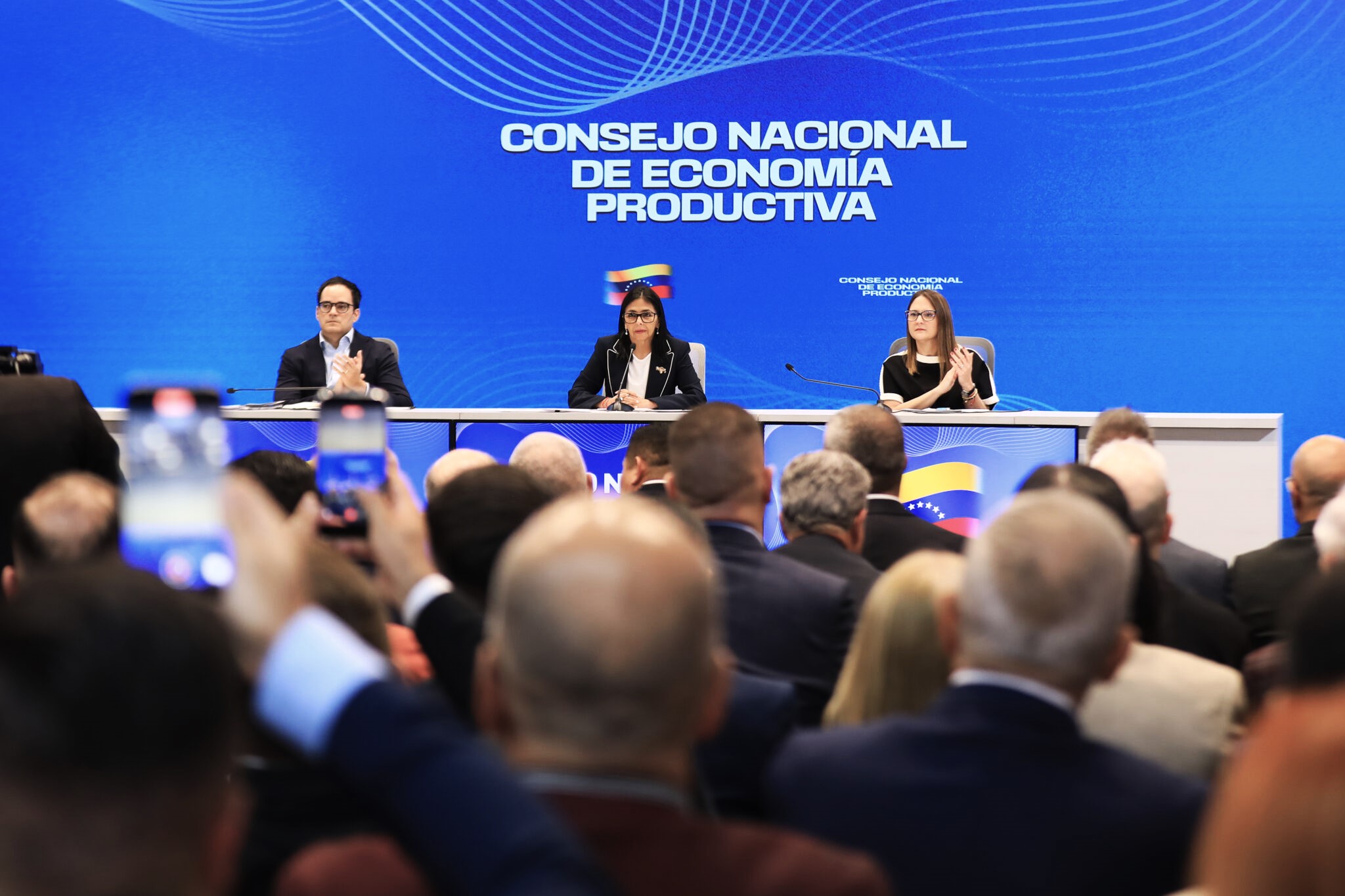
The recent restructuring push seeks to reassure creditors. Without a careful plan and an IMF-backed framework, Caracas risks losing control

Delcy and Jorge’s new electricity bill would open the power grid to private investment. The State may still play a role, but this could dismantle the monopoly of one of Hugo Chávez’s must dysfunctional and corrupt creations.

Energy expert Luisa Palacios says recovering our grid requires guarantees, hefty long-term investment and a redefined role for private companies

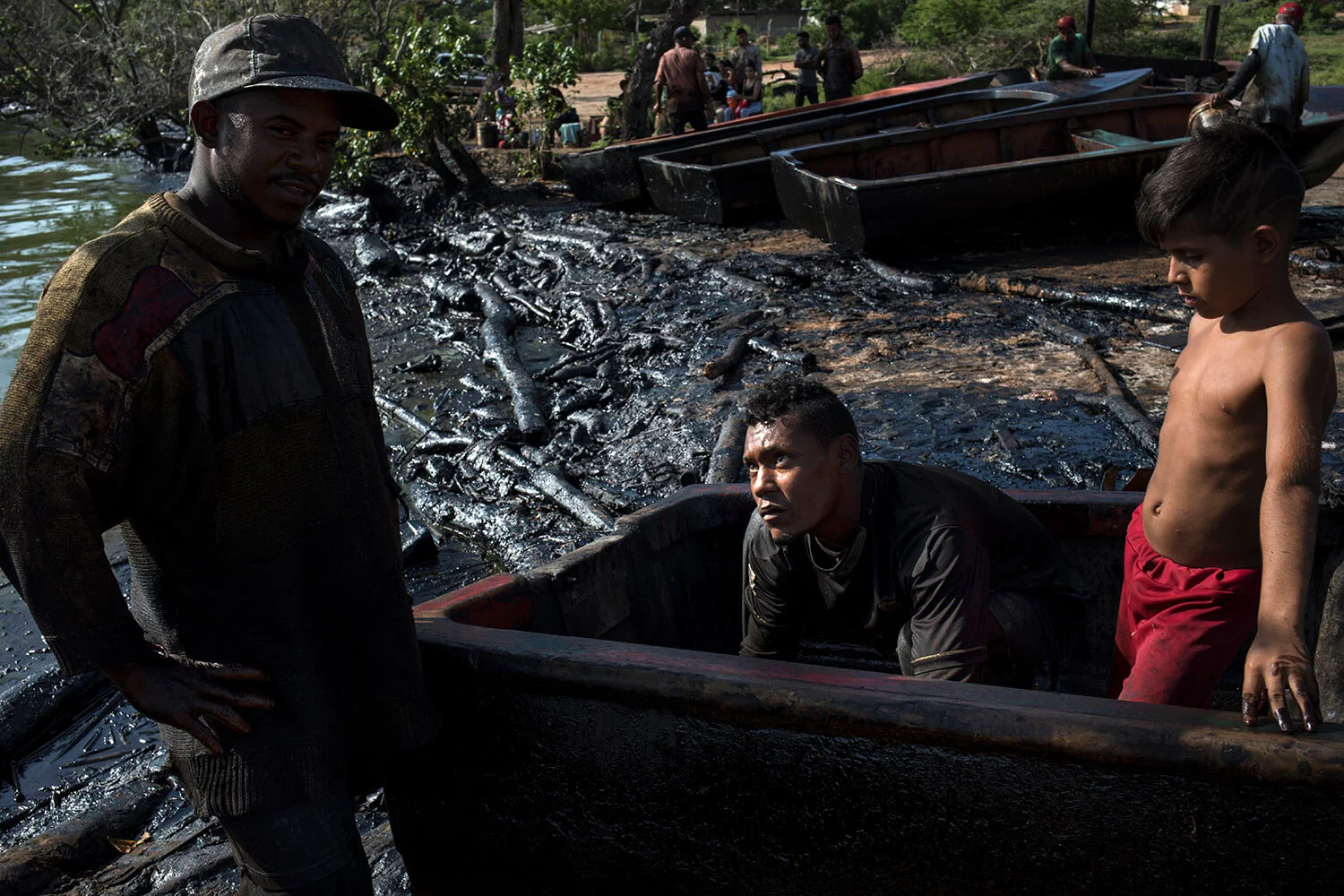
Meanwhile, a PDVSA contractor is under fire after two fatal accidents in Lake Maracaibo #NowWhatVenezuela
Over generations, the State was hollowed out into something to loot. National rebuilding requires radical institutional transformation
Incompetence and lack of transparency have left Margarita Island, Venezuela’s main tourist destination, vulnerable to periodic blackouts
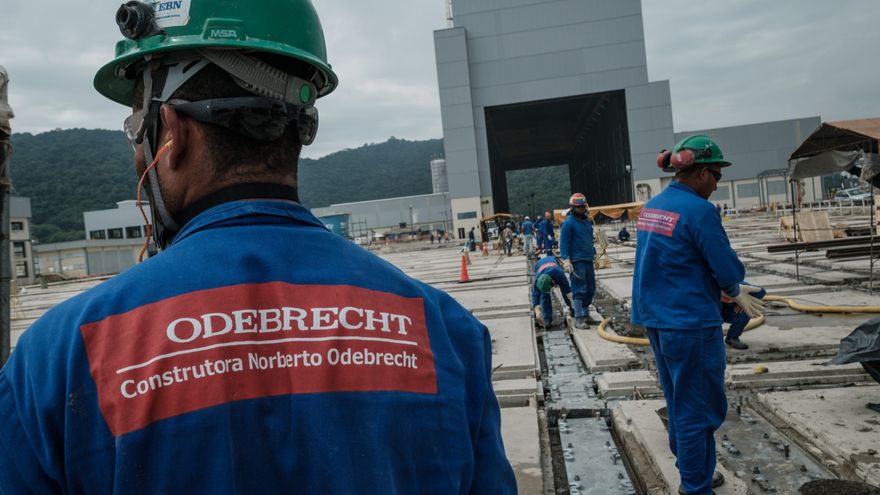
Transparency International just released its Corruption Perceptions Index 2019, and other than placing Venezuela almost at the very bottom, it offers perspective into why corruption hits us so—and what we can do to fix it.
A string of Venezuela-related stuff delivered straight to your inbox.
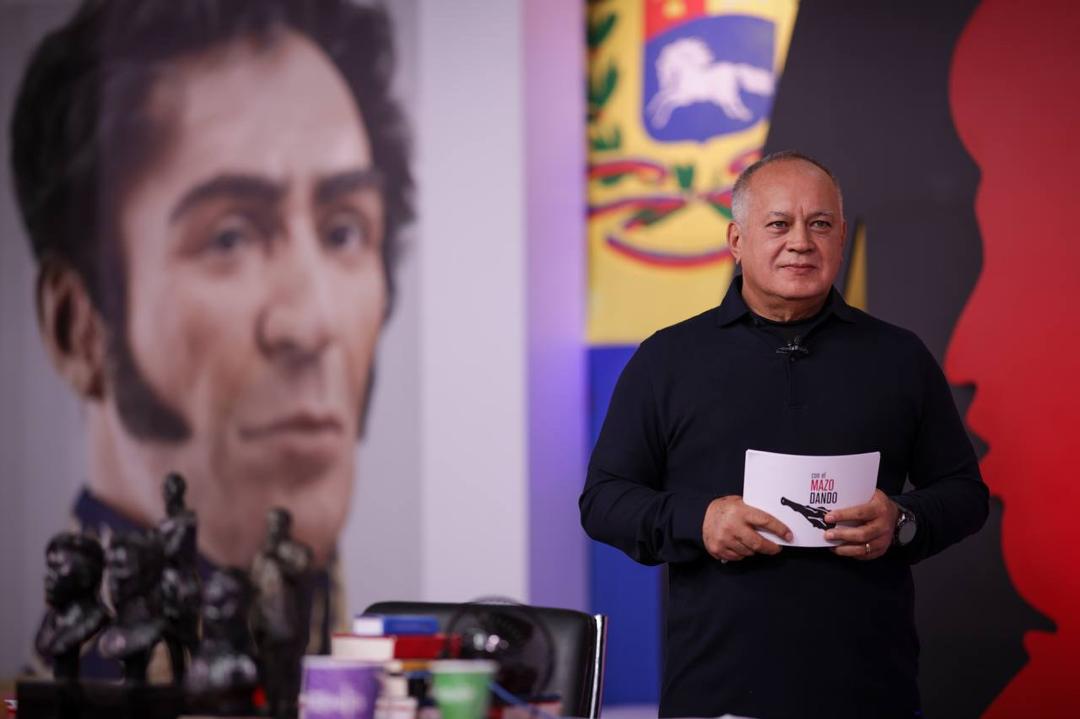
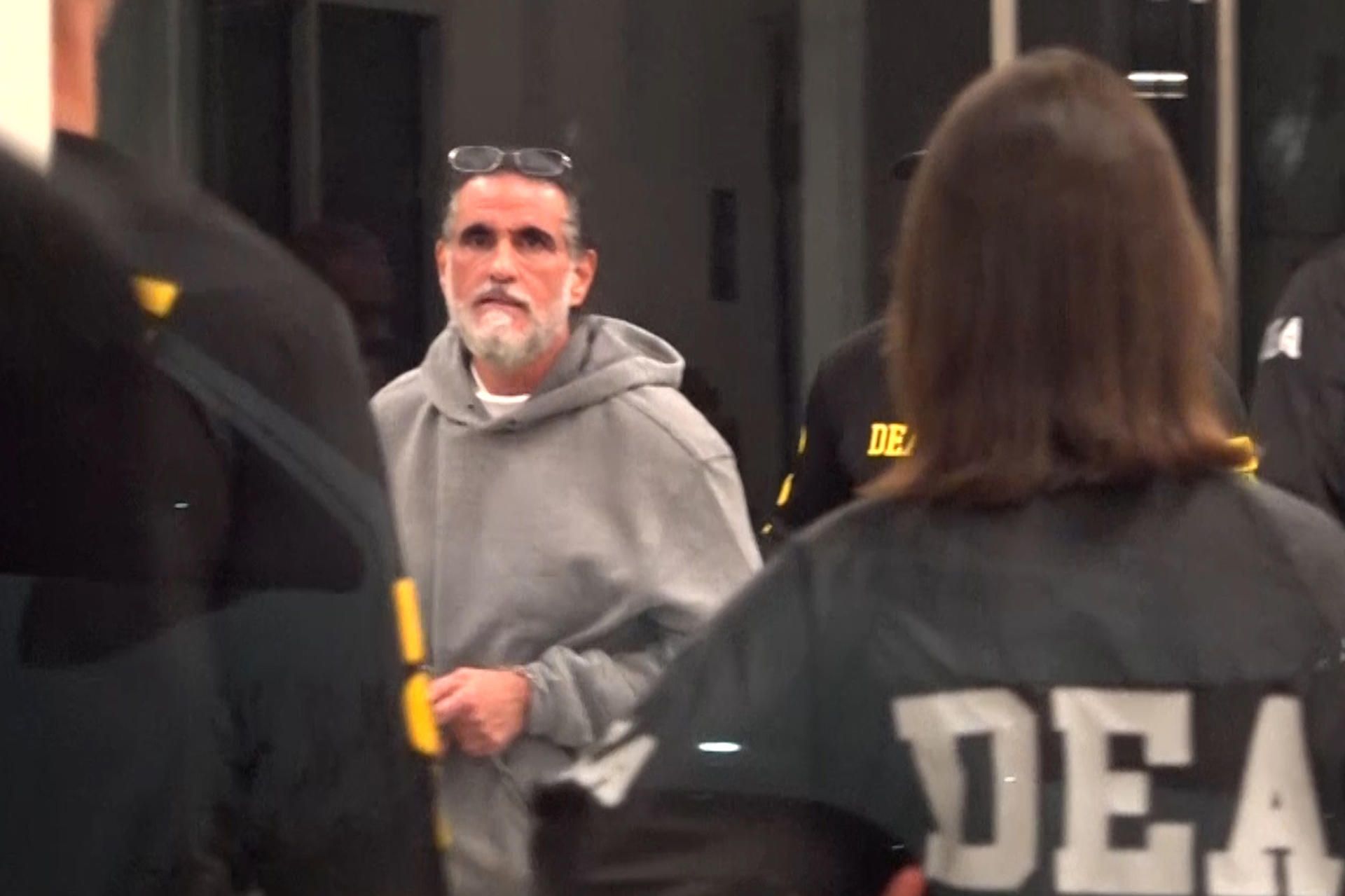
The single greatest obstacle to reconstruction is not economic or regulatory. It’s the model represented by the man who controls the security apparatus
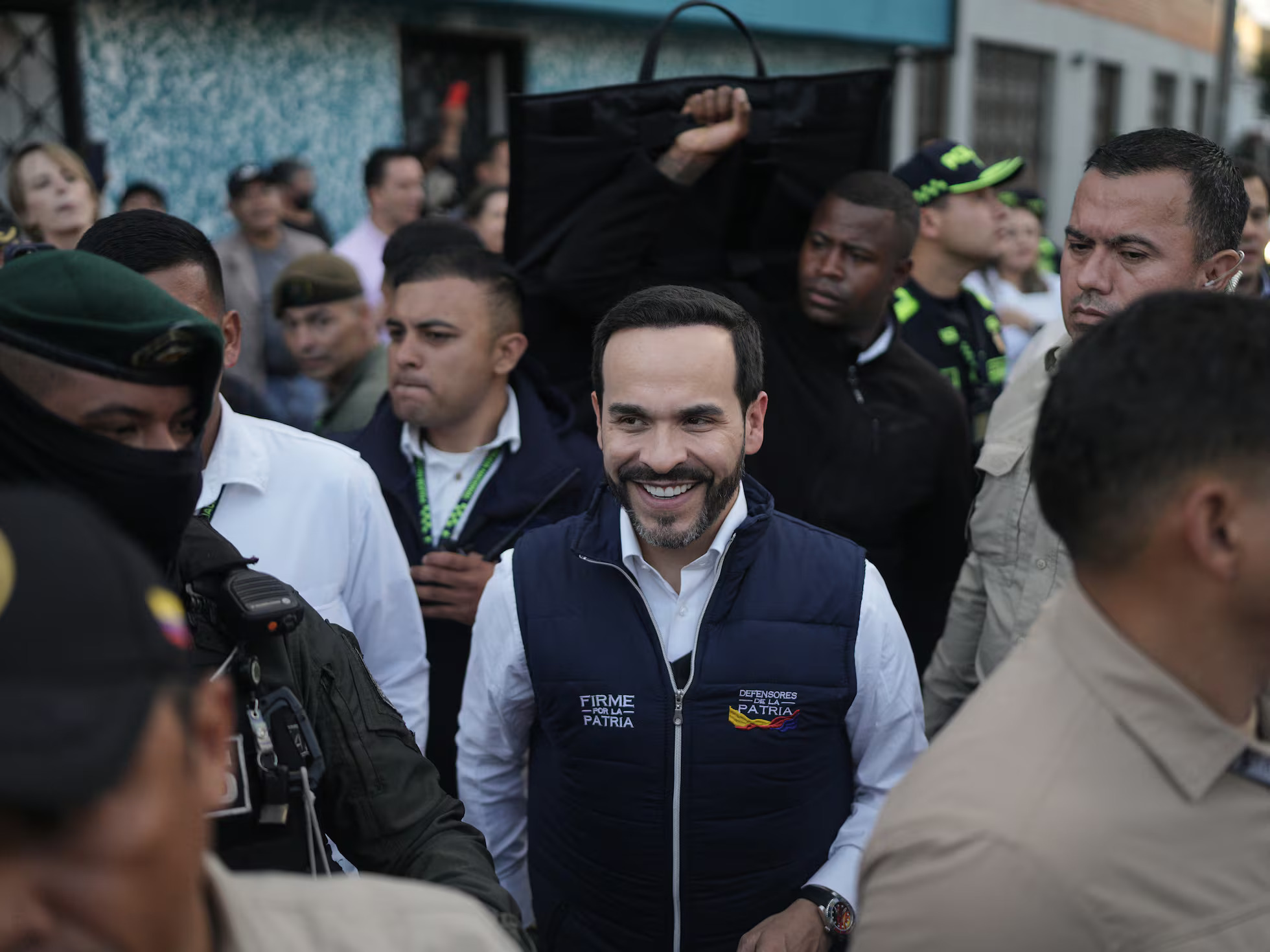
The crucial split of the Colombian Right suggests that populist theatrics can override the institutional anti-chavismo we are used to

Whether against elPeriódico or Armando.Info, the relentless persecution of investigative reporters shows how corruption is used to protect predatory elites

The former Spanish PM never stopped helping chavismo out. Now, authorities reveal what he allegedly earned for that service

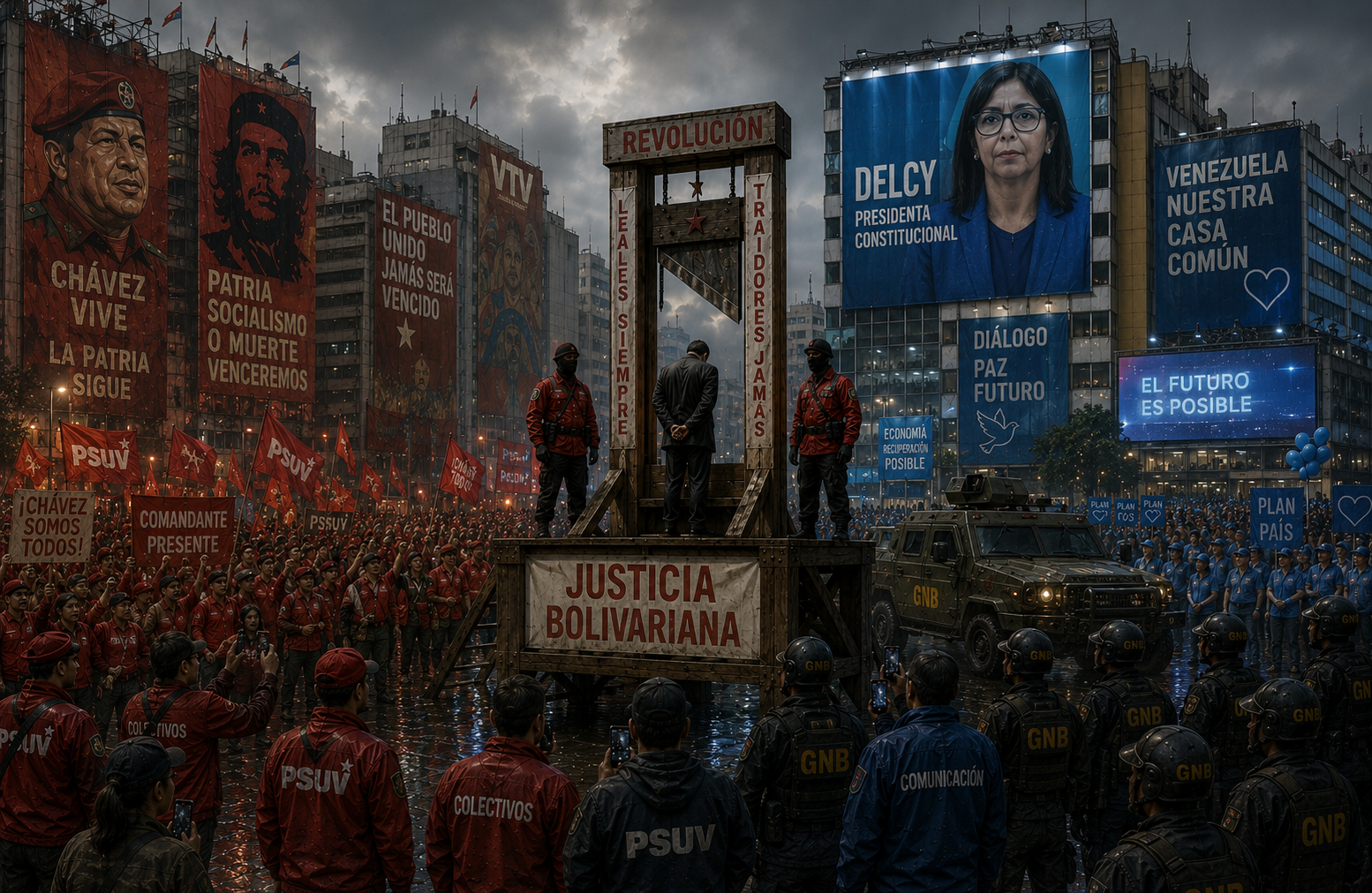
The Terror and the fall of Maximilien Robespierre offer lessons to Delcy Rodríguez